Crafting the Perfect Game Pitch Deck for Investors: Game Pitch Deck Tips You Can’t Miss

When it comes to getting your game funded, your pitch deck is your golden ticket. I’ve been through the trenches, crafting decks that not only tell a story but also spark excitement and confidence in investors. If you want to stand out and secure that crucial backing, you need more than just pretty slides. You need a game pitch deck that hits all the right notes.
Let’s dive into the essential game pitch deck tips that will help you create a compelling, clear, and convincing presentation. Whether you’re pitching a fresh indie title or a blockbuster in the making, these insights will guide you every step of the way.
Why Your Game Pitch Deck Tips Matter More Than Ever
You might be wondering, “Why fuss so much over a pitch deck?” Well, think of it this way: investors see dozens, sometimes hundreds, of pitches. Your deck is your first impression. It’s your chance to grab attention and keep it.
A well-crafted deck does three things:
Communicates your vision clearly
Shows the potential for success
Builds trust in your team and project
If you miss any of these, you risk losing interest fast. I’ve seen decks that were visually stunning but lacked substance, and others packed with info but impossible to follow. The sweet spot? A balance of clarity, excitement, and professionalism.
What to Include in Your Game Pitch Deck: Game Pitch Deck Tips That Work
Here’s the meat of it. Your deck should be concise but comprehensive. Aim for 10-15 slides that cover these key areas:
1. The Hook - Your Game’s Elevator Pitch
Start strong. In one or two sentences, explain what your game is and why it’s unique. Imagine you have just 30 seconds to convince someone. What do you say?
Example:
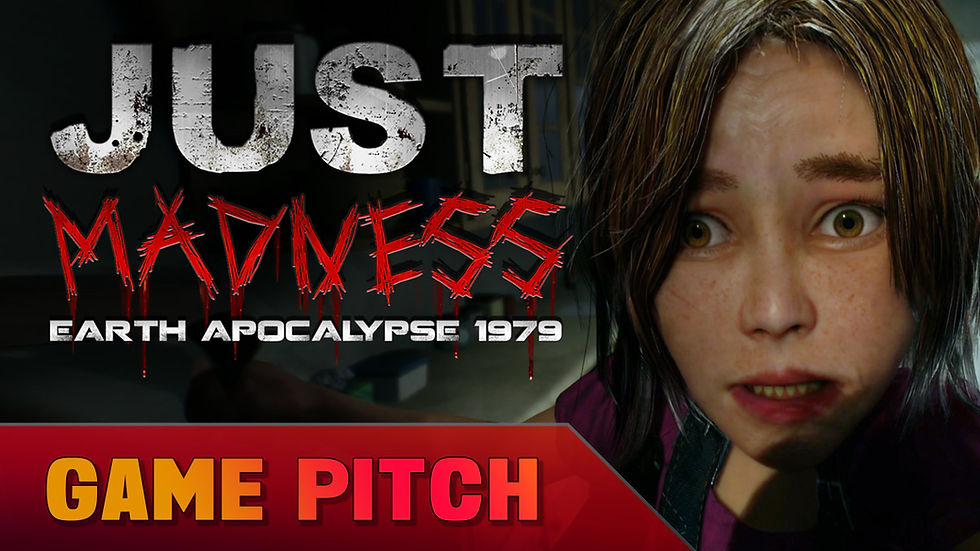
"Just Madness is a fast-paced, multiplayer arena shooter with a unique weapon crafting system that keeps players coming back for more."
2. The Problem and Solution
What gap in the market does your game fill? Maybe it’s a fresh take on a popular genre or a new mechanic that hasn’t been explored. Explain why players will want your game.
3. Gameplay and Features
This is where you get to show off. Use screenshots, concept art, or short videos to illustrate gameplay mechanics, core features, and what makes your game fun and engaging.
4. Market Opportunity
Who’s your audience? How big is the market? Use data to back up your claims. For example, if you’re targeting mobile gamers, mention the growth stats and trends.
5. Business Model
How will you make money? Is it a premium game, free-to-play with in-app purchases, or subscription-based? Be clear and realistic.
6. Go-to-Market Strategy
Explain your plan for launching and promoting the game. Will you use social media, influencer partnerships, or attend gaming expos? Show you have a roadmap.
7. Team
Investors bet on people as much as ideas. Highlight your team’s experience, skills, and past successes.
8. Financials and Funding Needs
Be transparent about your budget, how much funding you need, and how you’ll use it. Include projections but keep them grounded.
9. Timeline
Show your development milestones and expected launch date. This builds confidence that you have a plan.

Caption: A clear and engaging game pitch deck displayed on a laptop during a presentation.
Design and Presentation: Game Pitch Deck Tips to Keep Your Audience Hooked
A great deck isn’t just about content. How you present it matters just as much. Here are some design and delivery tips I swear by:
Keep it clean and simple. Avoid clutter. Use plenty of white space and easy-to-read fonts.
Use visuals wisely. Screenshots, concept art, and infographics can say more than paragraphs of text.
Be consistent. Stick to a color scheme and style that matches your game’s branding.
Tell a story. Your deck should flow logically, building excitement as you go.
Practice your pitch. Know your slides inside out so you can speak naturally and confidently.
Remember, your deck is a tool to support your story, not replace it. Engage your audience with your passion and knowledge.
Common Mistakes to Avoid When Crafting Your Game Pitch Deck
I’ve seen plenty of pitch decks that missed the mark. Here’s what to watch out for:
Too much text. Investors don’t want to read a novel. Keep slides concise.
Vague market data. Always back up claims with solid research.
Ignoring the competition. Acknowledge competitors and explain your edge.
Overpromising. Be ambitious but realistic about timelines and financials.
Neglecting the team. Don’t forget to showcase the people behind the project.
Avoiding these pitfalls will make your deck stronger and more credible.
Video Explanation of My Pitch Deck
In my latest video, I provide an in-depth explanation of my pitch deck, highlighting its key elements and the rationale behind my design choices. This comprehensive overview is a valuable resource for anyone interested in understanding the intricacies of my project.
Bringing It All Together: Your Next Steps to a Winning Pitch Deck
Now that you know what makes a pitch deck shine, it’s time to get to work. Start by outlining your story, gather your visuals, and draft your slides. Don’t hesitate to get feedback from peers or mentors. Sometimes a fresh pair of eyes can spot what you missed.
If you want to see a great example or need inspiration, check out this game pitch deck for investors that nails the balance of creativity and professionalism.
Now If you want to know a good tool for game pitch creation, check out Pitch.Games I did a page for my game Just Madness and it's fantastic:
Remember, your pitch deck is more than just a presentation. It’s your chance to open doors, build relationships, and bring your game to life. Nail it, and you’re one step closer to turning your vision into reality.
Good luck out there!


soicauxsmb24.com tối qua mình tranh thủ lướt lúc nghỉ tay, kiểu xem nhanh thôi mà thấy trang này trình bày khá dễ chịu. Phần “Soi cầu MB ngày 3 9 2026” để tiêu đề ngày tháng nổi bật nên mình không bị lẫn với các bài khác, kéo xuống là thấy nội dung chia thành mấy khối ngắn đọc lướt cũng hiểu họ đang nói về thống kê với phân tích kết quả quay trước. Mình thích kiểu chữ rõ, khoảng cách dòng ổn nên đọc trên điện thoại cũng không bị rối, chuyển qua lại giữa các mục cũng nhẹ nhàng (không phải bấm vòng vòng tìm đường). Nói chung không cần ngồi canh từng chữ vẫn nắm được…