Understanding US Remote Game Studios: The Indie Revolution

When I first dove into the world of indie game development, I was struck by how much the landscape has changed. No longer confined to cramped offices or big city hubs, many indie studios in the US are embracing remote work. This shift is not just a trend; it’s a game-changer for creativity, collaboration, and business growth. If you’re curious about how these studios operate, what makes them tick, and why they’re attracting investors and publishers alike, you’re in the right place.
Let’s unpack the fascinating world of US remote game studios and see why they’re becoming the heart of innovation in gaming.
The Rise of US Remote Game Studios: Why Location Doesn’t Matter Anymore
The traditional image of a game studio is a bustling office filled with developers, artists, and designers all working side by side. But today, many indie studios are scattered across the country, connected by the internet rather than geography. This shift has been accelerated by advances in technology and changing work culture.
Here’s why remote studios are thriving:
Access to Talent Nationwide: Instead of hiring only local talent, studios can tap into a diverse pool of skilled professionals from coast to coast.
Lower Overhead Costs: No need to rent expensive office space in major cities means more budget for game development.
Flexible Work Environment: Team members can work when and where they’re most productive, leading to better creativity and output.
Global Collaboration: Remote studios often collaborate with international partners, expanding their reach and influence.
For example, a studio based in Austin might have artists in Seattle, programmers in Miami, and sound designers in New York. This diversity brings fresh perspectives and unique ideas to the table.

How US Remote Game Studios Manage Collaboration and Creativity
You might wonder, how do these studios keep the creative spark alive without face-to-face interaction? The answer lies in smart tools and intentional communication.
Here’s how they do it:
Cloud-Based Project Management: Tools like Jira, Trello, and Asana keep everyone on the same page, tracking tasks and deadlines.
Real-Time Communication: Slack, Discord, and Zoom are lifelines for quick chats, brainstorming sessions, and daily stand-ups.
Version Control Systems: GitHub and GitLab allow multiple developers to work on the same codebase without conflicts.
Regular Virtual Meetups: Weekly video calls and virtual “water cooler” chats help maintain team cohesion and morale.
Creative Workshops: Remote studios often schedule online workshops or game jams to spark innovation and team bonding.
This approach not only keeps projects moving smoothly but also fosters a culture of trust and autonomy. When you’re part of a remote indie game studio, you learn to communicate clearly and respect each other’s time zones and workflows.
The Business Side: Funding and Publishing in a Remote World
Running a remote indie game studio in the US isn’t just about making great games; it’s also about attracting the right investors and publishers. The good news? Remote studios are proving they can deliver high-quality projects that compete with traditional studios.
Here’s what investors and publishers look for:
Strong Portfolio: A track record of completed games or prototypes that showcase creativity and technical skill.
Clear Communication: Transparent updates and realistic timelines build trust.
Scalable Processes: Efficient workflows that can handle growth and larger projects.
Innovative Ideas: Unique game concepts that stand out in a crowded market.
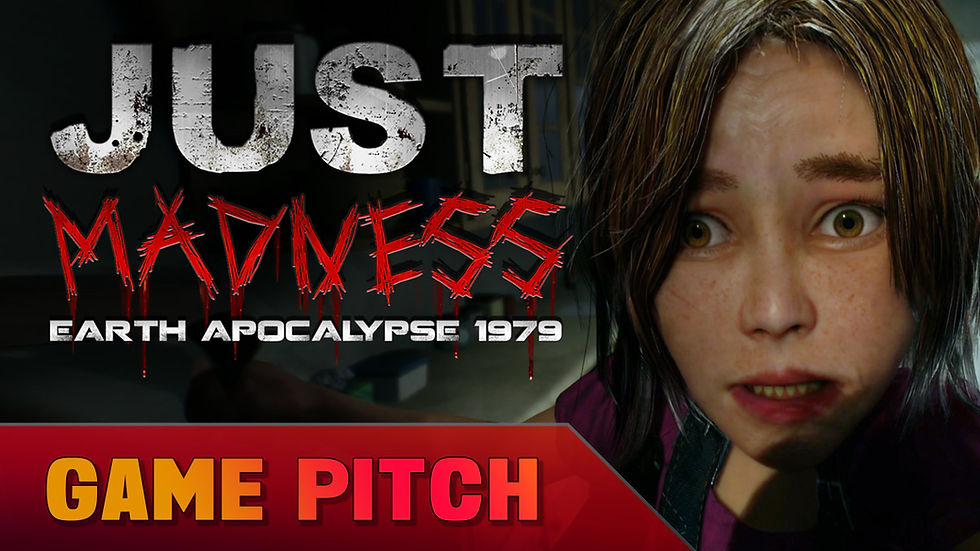
For example, Rodrigo Banzato’s studio has been gaining attention by developing engaging titles like Max Madness. Their remote setup allows them to keep costs low while focusing on quality and innovation, making them an attractive partner for funding and publishing deals.
If you want to explore more about how these studios operate, check out this remote indie game studio us resource for deeper insights.

Challenges Remote Indie Game Studios Face and How They Overcome Them
Of course, working remotely isn’t without its hurdles. Indie studios often face unique challenges that require creative solutions.
Some common issues include:
Time Zone Differences: Coordinating meetings and deadlines across multiple zones can be tricky.
Isolation: Team members might feel disconnected without in-person interaction.
Technical Difficulties: Reliable internet and hardware are essential but not always guaranteed.
Maintaining Focus: Home environments can be full of distractions.
Here’s how successful studios tackle these problems:
Flexible Scheduling: Allowing asynchronous work and recording meetings for those who can’t attend live.
Virtual Social Events: Game nights, coffee breaks, and informal chats to build camaraderie.
Tech Support Stipends: Providing funds for better equipment or internet upgrades.
Clear Boundaries: Encouraging regular work hours and dedicated workspaces at home.
By addressing these challenges head-on, remote indie game studios maintain productivity and a positive team culture.
Why Investors Should Keep an Eye on US Remote Game Studios
If you’re considering where to put your investment dollars, remote indie game studios in the US offer a compelling opportunity. They combine the agility of small teams with the reach of global talent, producing innovative games that resonate with diverse audiences.
Here’s why they’re worth your attention:
Cost Efficiency: Lower operational costs mean more funds go directly into game development.
Innovation Hotbeds: Remote studios often experiment with new genres, mechanics, and storytelling techniques.
Scalable Growth: With the right support, these studios can quickly expand their teams and output.
Market Responsiveness: Smaller, flexible teams can adapt to trends and player feedback faster than large corporations.
Supporting these studios not only fuels creativity but also taps into a growing segment of the gaming industry that’s shaping the future.
The world of US remote game studios is vibrant and full of potential. Whether you’re an investor looking for the next big hit or a publisher scouting fresh talent, understanding how these studios operate is key. They’re not just surviving remotely - they’re thriving, innovating, and redefining what it means to create games in the 21st century.


Comments